Botox® For TMD Management
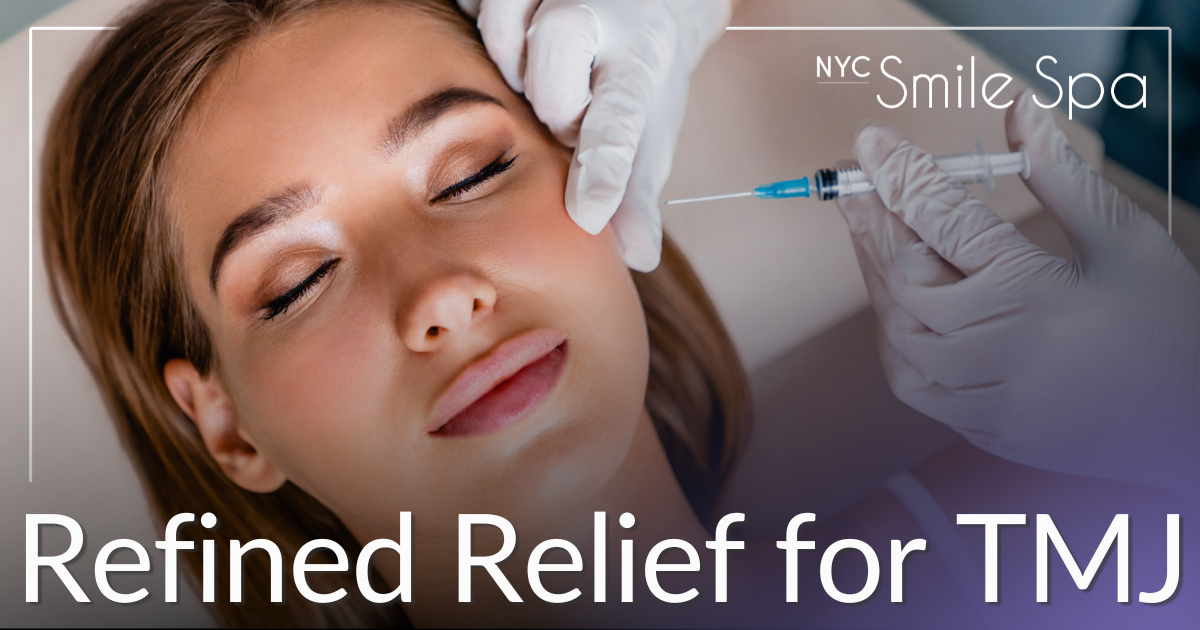
Botox offers a practical solution for temporomandibular joint disorders by relaxing overworked jaw muscles. The treatment targets specific muscles that clench repeatedly, interrupting tension patterns that make eating and talking uncomfortable. After treatment with Botox, patients notice they can get through meals and conversations without thinking about their jaw every few minutes.
How Botox® Eases Jaw Tension
Botox injections work by calming hyperactive muscle fibers in your masseter and temporalis muscles, the main areas in which chronic clenching creates constant strain. Over about a week, these muscles soften and place less pressure on your temporomandibular joint. That morning stiffness you’ve been dealing with starts to fade, and talking through a long meeting doesn’t leave your jaw aching by lunch. Most patients tell us they actually look forward to dinner again instead of mentally preparing for discomfort with every bite.
We use neuromuscular dentistry principles to guide where and how much Botox to inject. Each treatment round provides approximately four months of relief. Botox also pairs well with oral appliances if you’re already using one. We adjust the injection locations based on which muscles you tend to clench most and how your jaw moves throughout the day. Your response to the first treatment helps us fine-tune the next one.
Precision Placement Maximizes Comfort
We focus on the thickest parts of overactive muscles first, reducing excessive force without affecting your ability to chew and speak normally. Many people notice their jawline looks slimmer as the masseter muscle relaxes, a bonus effect our patients tend to appreciate. Releasing tension in the temporalis muscle also relieves pressure around your temples.
What to Expect
The actual appointment takes just minutes, and you can head right back to work or errands afterward. You’ll notice subtle improvements over the first week, with full results appearing around two weeks after treatment. Regular touch-ups every few months keep that relaxed feeling consistent as your muscles gradually learn new patterns.
Common injection areas include:
- Masseter muscles (the thick muscles along your jawline)
- Temporalis muscles (the muscles at your temples)
- Occasionally, muscles around the TMJ itself
Benefits Beyond Jaw Relaxation
When your jaw finally relaxes, the relief spreads to other parts of your body. Tension headaches become less frequent and less intense. Jaw and neck pain subsides. You start to sleep better. Smiling is easier when your face isn’t constantly braced against pain.
The aesthetic changes that come with relaxed jaw muscles boost confidence for many people. Your facial contours may refine over time with consistent treatment. Physical relief and visible improvements work together to shift how you move through your day.
Botox® as Part of a Comprehensive Treatment Plan
We often incorporate Botox into a patient’s broader TMD treatment strategy, which might include an oral appliance, physical therapy, or laser treatment. By layering these interventions, we can address muscle tension, joint alignment, and airway function as connected elements.
With regular follow-ups, we can fine-tune your treatment protocol and timing for optimal results. Certain lifestyle adjustments, like stress management, enhance our clinical work for even more effective pain relief.
Ensuring Success After Botox®
We recommend gently moving your face after treatment to distribute the Botox evenly. It’s also best to stay upright for the next four hours and avoid tough, chewy foods or extended chewing for the rest of the day. Drinking plenty of water supports your muscles’ response during the first few days. Tracking how you feel day to day helps us adjust future treatments for even better results.
If you’re curious about Botox treatment for your TMJ-related pain, schedule an appointment with us at NYC Smile Spa, located on the Upper East Side.