
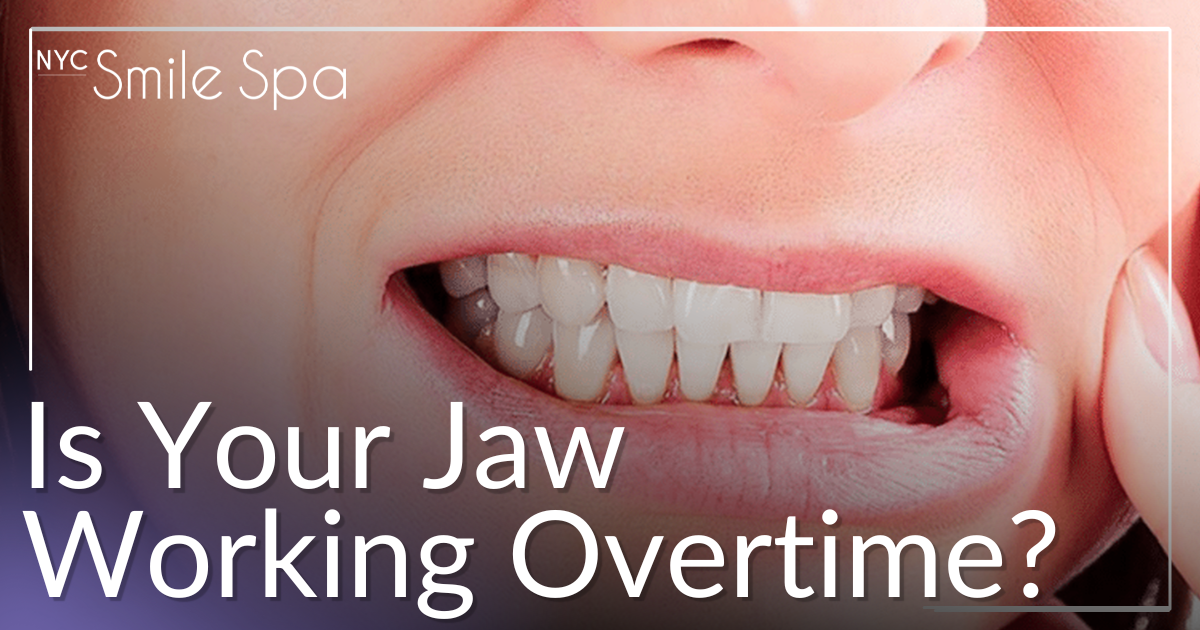
Are You Clenching Your Teeth Without Realizing It?
Have you ever caught yourself with your teeth pressed together while answering emails, sitting in traffic, or concentrating on something? It can happen without you even noticing. Clenching is one of those habits that can quietly become part of your day. You may not feel stressed, and you may not think anything is wrong, but your jaw can still be holding onto a surprising amount of tension.
Your Teeth Do Not Need to Touch All Day
Here is a simple check you can do right now. Relax your face for a moment. Are your teeth touching? When your jaw is at rest, your upper and lower teeth generally should not be tightly pressed together. If you notice that you’re frequently clenching while working, driving, exercising, or concentrating, your jaw muscles may be working much harder than they need to. The tricky part is that clenching can become such an automatic habit that you stop noticing it.
Your Mouth Gives You Clues
Even if you never catch yourself clenching, you may notice the effects. Maybe your jaw feels tired by the end of the day. You may wake up feeling tight or sore around your face. Your teeth may feel more sensitive, or you might notice areas that seem worn or chipped.
We take a comprehensive approach to your examination, which includes evaluating your teeth, periodontal health, and the way your upper and lower teeth come together. That bigger-picture view can help us notice patterns that may not be obvious to you at home.
Stress Is Not the Whole Story
Clenching is often associated with stress, but stress isn’t the only reason it happens. Your bite, daily habits, sleep, and how your jaw muscles function can all be part of the picture. That’s why we don’t want to simply assume you need to “relax more” and leave it at that. If something is bothering you, we want to understand what is actually happening.
Be Mindful of Your Jaw
We’re not suggesting that you spend the entire day checking your jaw every five minutes. A little awareness is enough. Every so often, especially when you’re focused on work or feeling rushed, check in with yourself. Let your shoulders drop. Relax your jaw. Allow your teeth to separate slightly.
It sounds almost too simple, but becoming aware of a habit is often the first step toward changing it. And if you realize, “Wow, I do this all the time,” tell us at your next appointment.
No Reason to Feel Embarrassed
We say this often because we genuinely mean it: you never need to feel embarrassed about what is happening with your mouth. Maybe you have been clenching for years. Maybe you have ignored jaw discomfort because life got busy. Maybe you’re nervous about bringing it up because you think you should have mentioned it sooner. None of that bothers us.
Our job is to meet you where you are and help you move forward without judgment. We want you to feel comfortable talking openly about what you are experiencing, whether it involves your teeth, your jaw, or anxiety about dental care itself.
Let’s Talk About Your Jaw
You know what feels normal for you. If your jaw has been feeling tight, your teeth seem different, or you have started noticing yourself clenching during the day, bring it up. Even if you’re not sure it’s important, we would rather have the conversation. We can take a closer look, explain what we are seeing, and help you understand whether anything needs attention.
We believe you should feel physically and emotionally comfortable throughout your care. That means listening, answering your questions, and moving at a pace that feels right for you.
If it’s time for your next appointment, schedule with our office located on the Upper East Side. We’re always happy to see you, hear what has been going on, and help you keep your smile and your jaw feeling as comfortable as possible.